AI Glasses Shell and Structural Components | Two-color Mold Injection Molding
Model: v-1.0
Applications
Description
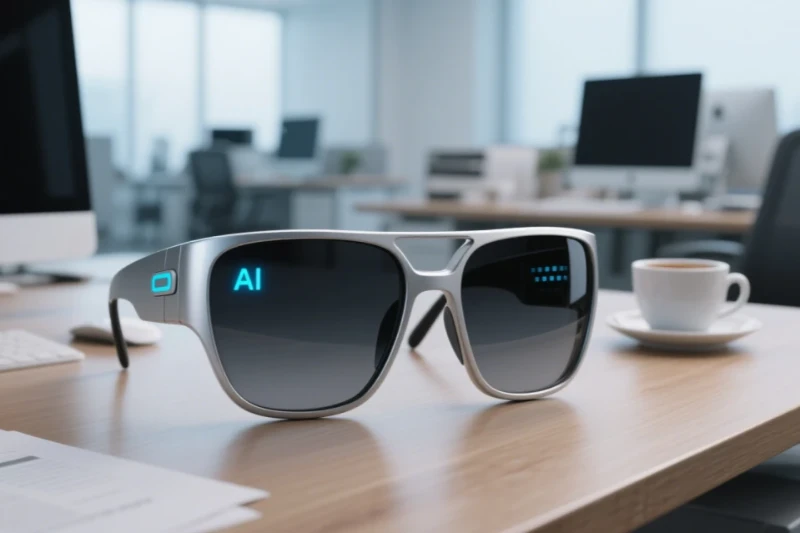
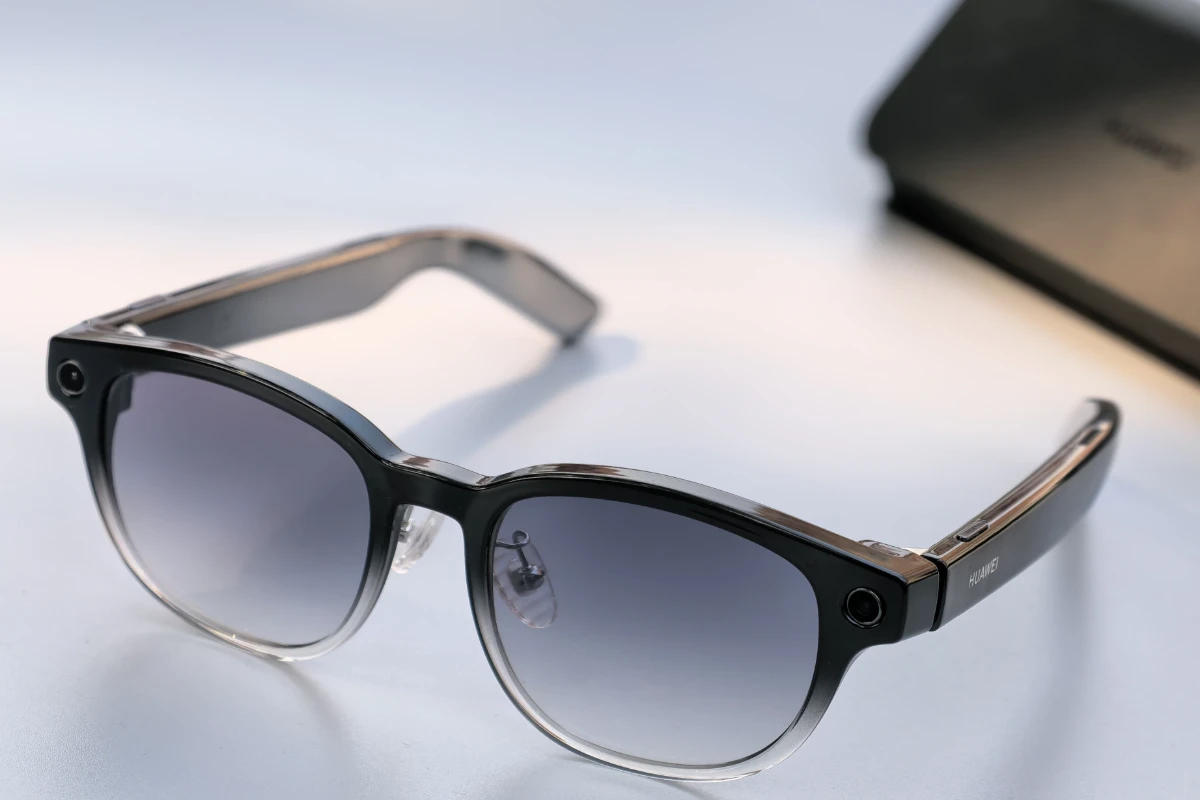
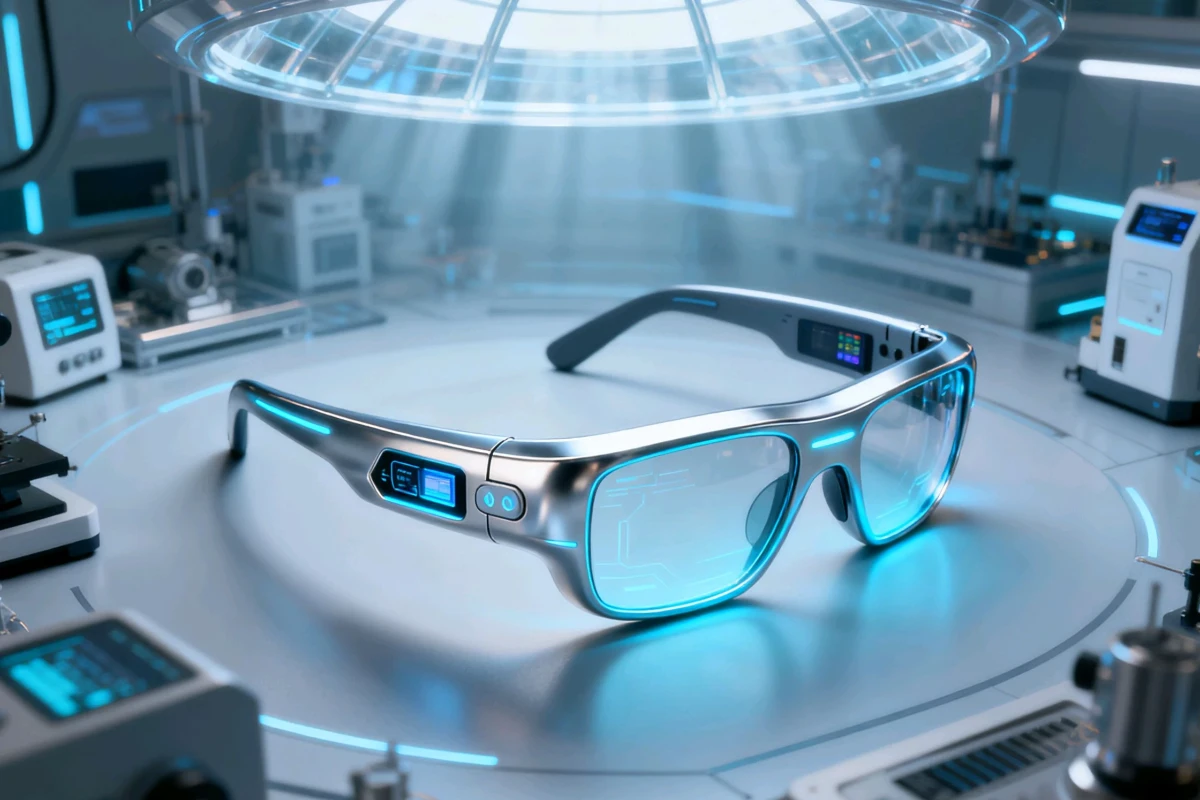
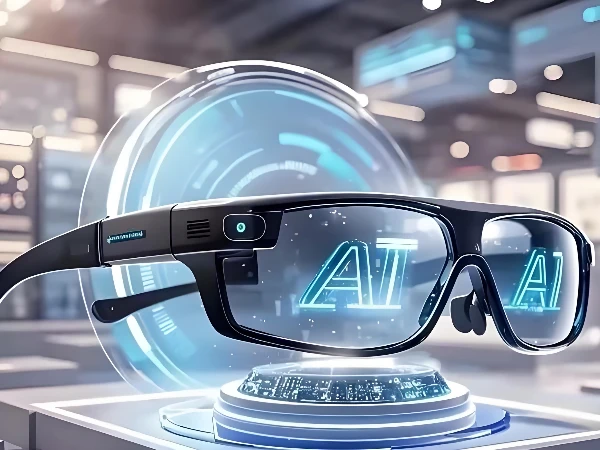
AI glasses – those devices that look like they just have a few thin shells on the outside – are actually more complicated to manufacture than ordinary 3C products (electronic, computer, and communication devices).
The frame is made of a highly curved, irregular surface, with wall thicknesses typically ranging from 0.6 to 0.8 mm. The temple parts, including the main board, battery, and hinges, must also be lightweight, fit closely to the face, and not bend or warp. Even a difference of 0.1 mm in the junction between the color-separating lines and the soft/hard materials can be easily noticeable to the naked eye.
Donghuang Plastics has been engaged in two-color injection molding in Shiyan, Bao'an, Shenzhen for over a decade, and this type of product is one of our main focuses nowadays.
 |  |
What we can do
Frame, temple, middle frame, lens holder
Two-color color-separated exterior components (PC+PC with different colors / ABS+ABS with different colors)
Rigid and soft plastic coatings (PC+TPU / PC+TPE; nose pads, skin-contact layers on the temple arms, anti-slip sections)
Insert molding: A metal core, nut, and contact are pre-placed inside the temple, and they are all molded together in a single process within the mold.
How to open a two-color mold?
We have our own mold department, with 18 mold-making machines: CNC machines, mirror surface spark machines, and grinders are all located on-site.
The "AI glasses with dual-color mode" are not just a copy of the single-color version; they represent a completely new design and functionality.
First, run the DFM (Design for Manufacturing) and mold flow analysis to identify the locations of glue injection points, weld lines, and air traps.
The turntable features a dual-color design, with rotation alignment controlled to within ±0.02mm. Compensation is pre-arranged at the gluing position to ensure precision.
The mechanical engagement (grooves/embossed patterns) at the junction of the soft and hard materials is achieved not just by "adhesion."
The mirror surface is made of S136/NAK80 material, and the polishing is carried out according to the standards for exterior parts.
The mold delivery time is 15–25 days for the T1 version, and there is no need to rely on external assistance for queuing.
Injection Molding and Quality Control
We have 5 Yizhimi dual-color printers available, with capacities of 160T, 250T, and 360T each. The core dual-color printing process is 100% done in-house; we do not outsource it to any third parties.
PC, ABS, PA, TPU, and TPE can all be molded into various shapes. The key aspects to focus on are the bonding strength during thin-wall filling and the gluing process.
The substrate transfer temperature and the temperature of the second injection mold are controlled separately to prevent delamination.
2.5-dimensional contour measurements, color difference meter for batch color analysis of tubes
The dual-color adhesive tester is used for spot checks on the bonding strength; instead of manually bending the materials to check if they are stuck together, the tester provides an objective measurement.
Surface treatment with one-stop completion.
We provide outsourcing services for fuel injection, electroplating, silk printing, and laser engraving, but we are responsible for ensuring the quality and meeting the delivery deadlines for all of these processes.
Customers no longer need to find a separate spray painting factory or a screen printing factory to process the supplied materials on their own.
Cooperation Method
Please provide me with the 3D design files, the materials you are interested in, and an estimated quantity of each material needed.
Return price within 24 hours
The DFM report will be available within 48 hours (risk points will be directly marked on the diagram).
The structure can be reviewed even before it is frozen; it’s more cost-effective to correct the wall thickness and parting lines before the mold is made, rather than making changes after the mold is already created.
For items like frame legs, the challenge doesn't lie in simply being able to produce them; the real challenge is ensuring that after producing one hundred thousand sets, they still maintain their shape, do not fade in color, do not become thicker, and do not lose their adhesive quality.
Donghuang does not promise how beautiful the samples will be; what they promise is that from the T1 prototype stage to mass production, the dimensions and feel of the product will remain consistent.
Features
- Over a decade of experience in two-color injection molding, with a focus on the development of structural components for AI glasses casings.
- We have 18 pieces of equipment in our own mold department, including CNC machines, mirror surface spark machines, and grinders, all located within the factory premises.
- 5 Yizhimi dual-color machines; 100% of the core manufacturing processes are completed in-house, with no external outsourcing.
- DFM+ pre-analysis of the mold flow; early identification of glue injection points, weld lines, and air trapping locations.
- The turntable features a dual-color design, with rotation alignment controlled with an accuracy of ±0.02mm.
- Soft and hard rubber mechanical interlocking design (slotting/embossing), which does not rely on adhesives.
- Insert molding: The metal core/nut/contact is pre-placed in the lens frame, and then the entire component is molded in one piece using the injection molding process.
- PC/ABS/PA/TPU/TPE materials are fully covered; special attention is paid to controlling the bonding strength between the thin-wall filling and the rubber coating.
Specifications
Features
- Over a decade of experience in two-color injection molding, with a focus on the development of structural components for AI glasses casings.
- We have 18 pieces of equipment in our own mold department, including CNC machines, mirror surface spark machines, and grinders, all located within the factory premises.
- 5 Yizhimi dual-color machines; 100% of the core manufacturing processes are completed in-house, with no external outsourcing.
- DFM+ pre-analysis of the mold flow; early identification of glue injection points, weld lines, and air trapping locations.
- The turntable features a dual-color design, with rotation alignment controlled with an accuracy of ±0.02mm.
- Soft and hard rubber mechanical interlocking design (slotting/embossing), which does not rely on adhesives.
- Insert molding: The metal core/nut/contact is pre-placed in the lens frame, and then the entire component is molded in one piece using the injection molding process.